Advanced Brain Stimulation Treatments for Mental Health Recovery. Providing safe, modern Electroconvulsive Therapy (ECT) and Transcranial Magnetic Stimulation (rTMS) administered by experienced psychiatrists.
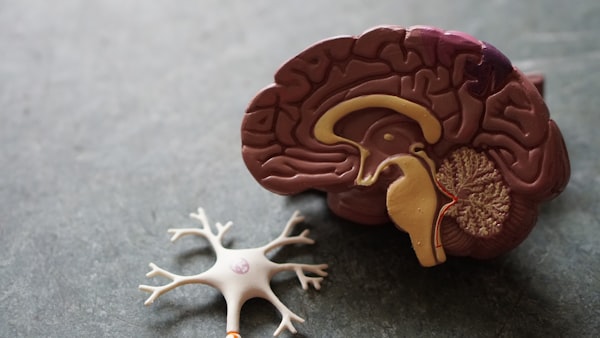
Brain stimulation techniques represent a major advancement in modern neuropsychiatry, offering rapid symptom reduction and therapeutic relief for patients who have not achieved adequate improvement with conventional pharmacotherapy or psychotherapy alone.
At AHAL Hospital, brain stimulation procedures are conducted in specialized medical suites equipped with continuous physiological monitoring, under the expert care of senior psychiatrists, anesthetists, and trained clinical staff.
Click on any treatment card below to learn more about procedure details and clinical indications.
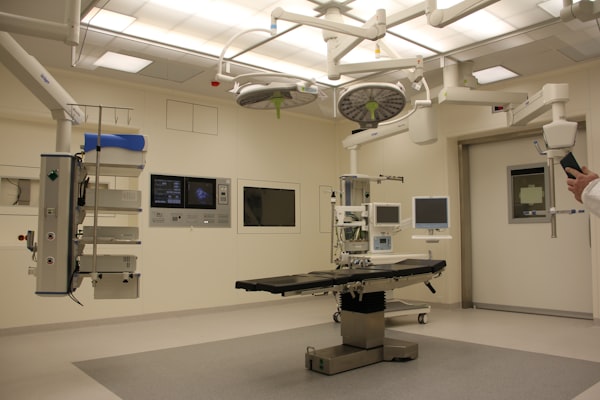
Medically supervised pulse neuromodulation performed under brief anesthesia for acute & treatment-resistant conditions.

Non-invasive localized magnetic pulse therapy conducted while patient remains awake with zero anesthesia downtime.
Electroconvulsive Therapy (ECT) is one of the most thoroughly researched and effective medical treatments for severe, treatment-resistant neuropsychiatric conditions. Conducted under modern brief general anesthesia and muscle relaxation, ECT delivers controlled electrical micro-pulses to stimulate brain neural networks safely.
Modern ECT is a gentle, painless, and controlled clinical procedure that helps restore neurotransmitter balance rapidly, often proving life-saving in acute psychiatric emergencies.

ECT is a medical procedure in which small, carefully measured electrical currents are passed through the brain under general anesthesia, triggering a brief, controlled therapeutic neural discharge that resets brain chemical pathways.
Yes, clinical trials worldwide demonstrate that ECT has one of the highest response and remission rates in psychiatry, frequently achieving rapid improvement when medication response is insufficient.
Recommended for severe major depression, bipolar mania, catatonia, acute suicidal ideation, or when rapid clinical stabilization is necessary.
Treatment-resistant severe depression, bipolar affective disorder, schizoaffective disorder, severe psychosis, catatonia, and Parkinson's motor complications.
ECT is formally endorsed and recognized as a highly safe, effective, and scientific treatment modality by leading international medical bodies worldwide.
Globally endorsed by leading psychiatric associations and medical institutions

Endorsed in clinical practice guidelines as a first-line intervention for severe or treatment-resistant depression.

Recognized as an essential, scientifically validated psychiatric therapeutic procedure.

Acknowledged as an effective brain stimulation therapy for severe mental disorders.

Approved and regulated medical treatment guideline standard across Canadian healthcare institutions.

Formally recommended by NICE guidelines for rapid symptom relief in severe depression and catatonia.

Recognized globally as a safe, vital neuropsychiatric treatment when administered under proper anesthesia.

Repetitive Transcranial Magnetic Stimulation (rTMS) is an FDA-cleared, non-invasive neuromodulation technique that utilizes localized magnetic pulses to stimulate specific prefrontal cortex circuits involved in mood regulation.
During rTMS sessions, patients remain completely awake and comfortable, returning immediately to normal daily activities without requiring any anesthesia or recovery downtime.
No surgery, incisions, or implants required. Electromagnetic coil rests comfortably on the scalp.
Conducted while you sit comfortably in a reclining chair, listen to music, or talk with staff.
Unlike ECT, rTMS does not induce generalized seizures or require muscle relaxants.
Free from systemic pharmacological side effects like weight gain, dry mouth, or sedation.
Mild scalp tingling or headache may occur initially, easily managed with simple analgesics.
Targeted magnetic pulses stimulate underactive prefrontal cortex neural circuits.
Structured daily outpatient sessions lasting approximately 20 to 30 minutes each.
Comprehensive therapeutic course designed for long-lasting mood stabilization and recovery.
Understanding the procedural, anesthetic, and recovery differences between both brain stimulation modalities.
| Treatment Metric | Electroconvulsive Therapy (ECT) | Transcranial Magnetic Stimulation (rTMS) |
|---|---|---|
| Treatment Type | Brief pulse electrical neuromodulation | Repetitive targeted magnetic pulse stimulation |
| Procedure | In-patient or specialized day-care suite | Outpatient clinic room setting |
| Anesthesia Required | Yes (Brief general anesthesia & muscle relaxation) | No (Zero anesthesia or sedation required) |
| Patient Awake | No (Asleep during 5-minute procedure) | Yes (Fully awake and alert throughout session) |
| Treatment Duration | 6 to 12 sessions (2-3 times per week) | 20 to 30 sessions (4-5 times per week over 4-6 weeks) |
| Common Uses | Severe treatment-resistant depression, mania, catatonia | Depression, OCD, anxiety, treatment-resistant mood disorders |
| Recovery | Brief post-anesthesia rest room monitoring (30-60 mins) | Immediate return to normal work, driving, & routine |
| Side Effects | Temporary mild confusion or short-term memory blur | Mild scalp discomfort or headache during initial sessions |
AHAL Hospital is a leading center for advanced neuro-stimulation in Tamil Nadu, combining decades of psychiatric excellence, cutting-edge equipment, and compassionate patient care.
Senior consultants specialized in brain stimulation protocols and clinical neuromodulation.
Utilizing globally validated medical protocols and guidelines for ECT and rTMS.
State-of-the-art brief-pulse ECT devices and precise rTMS magnetic stimulation systems.
Customized pulse parameter settings tailored to each patient's unique clinical profile.
Dedicated procedure suites equipped with continuous cardiac, oxygen, and EEG monitoring.
Attentive post-procedure nursing care and structured clinical progress tracking.
Empathetic clinical staff dedicated to reassuring patients and families throughout treatment.
Integrated care involving psychiatrists, anesthetists, clinical psychologists, and nurses.
Our clinical team is dedicated to guiding patients and families with clarity, safety, and evidence-based care.
